
Rope Access Surveys &
Repairs in Surrey & Devon
Conservation-led rope access surveys and repair support for historic and listed buildings, helping inspect difficult areas without full scaffolding in every case.

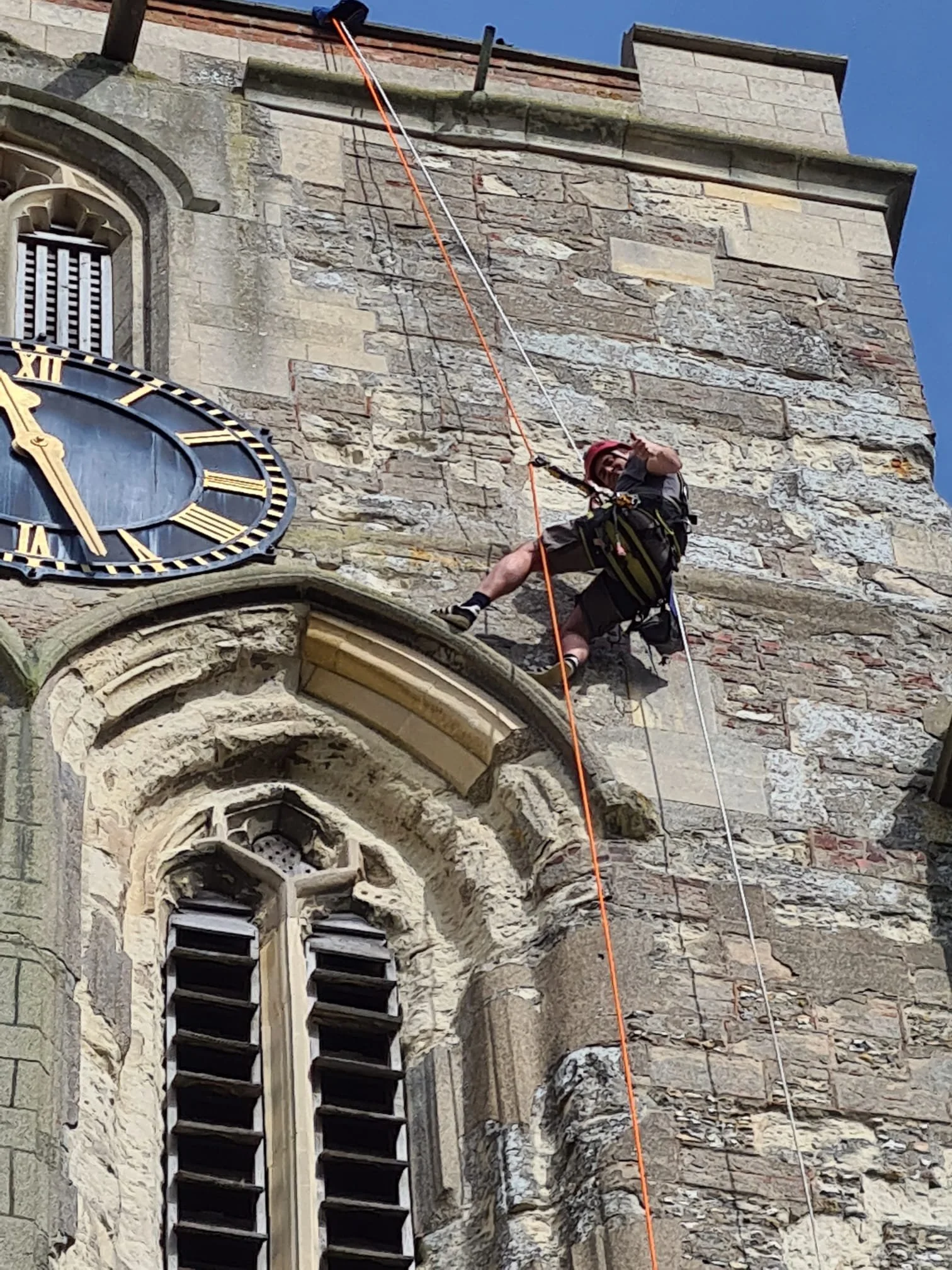
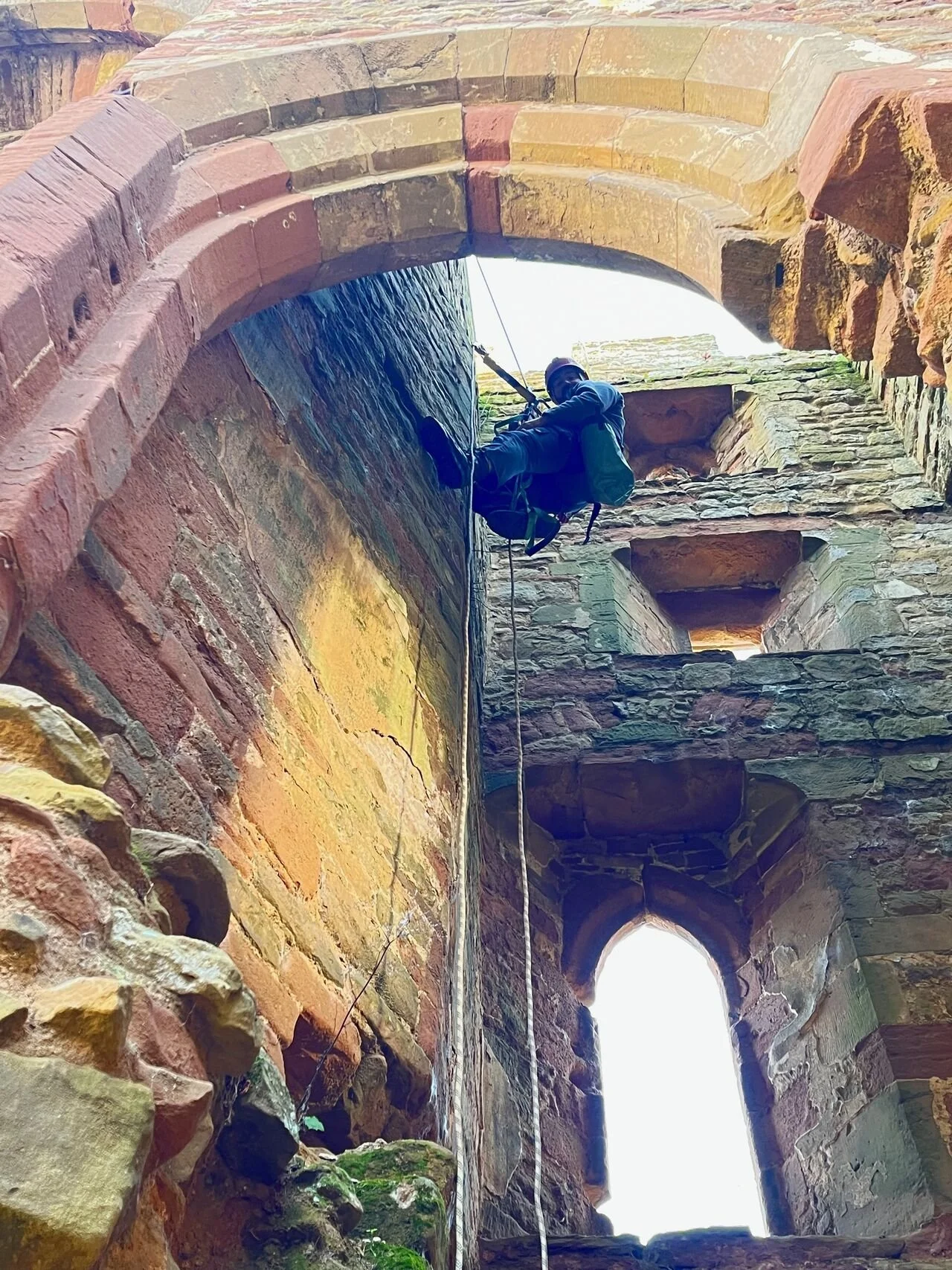
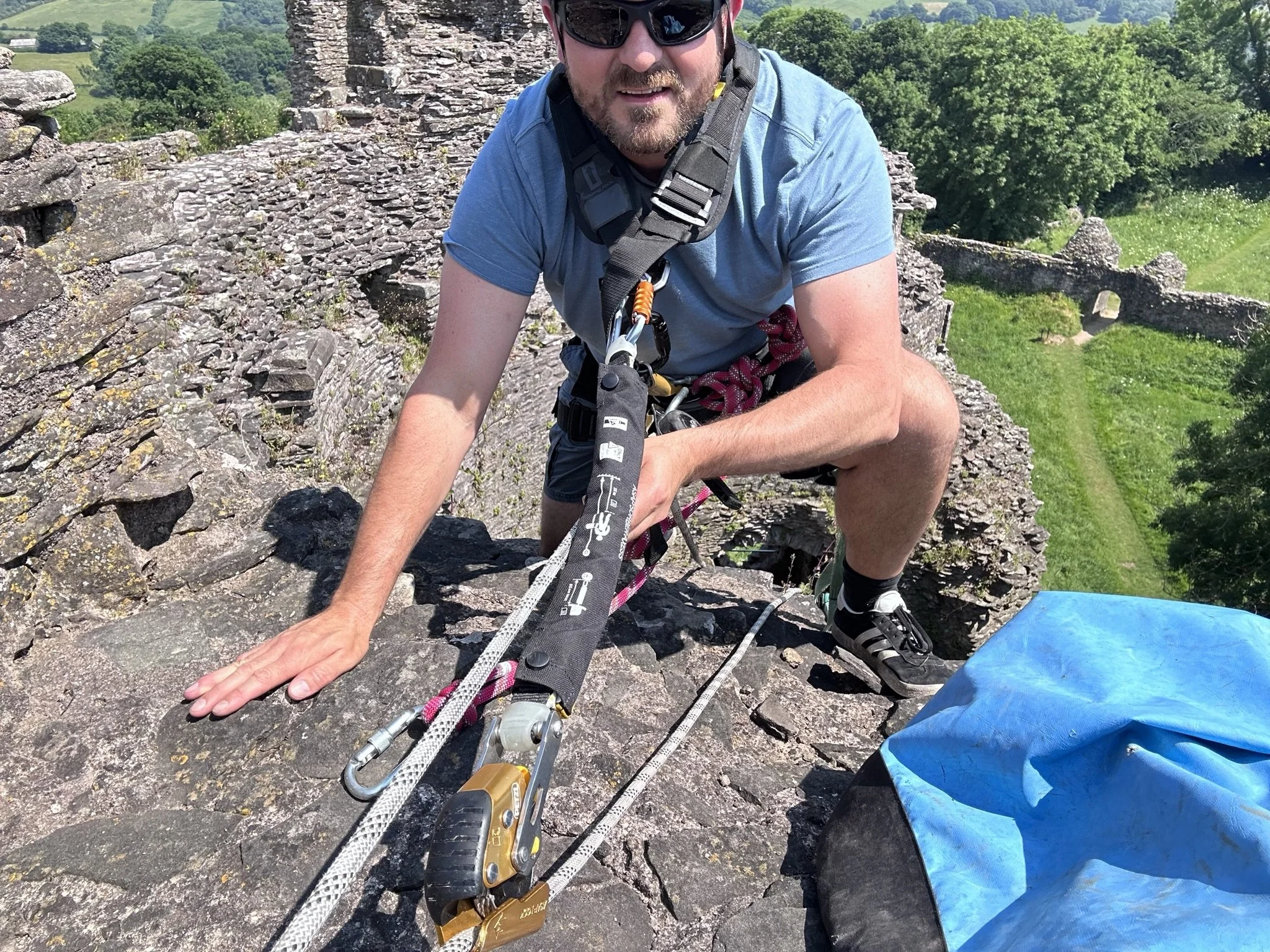
Rope Access Surveys for Historic Buildings
Rope access provides a practical way to inspect high-level or difficult-to-reach parts of historic and listed buildings without always needing full scaffolding. It allows close inspection of building fabric that may otherwise only be viewed from the ground, by drone or from a distance.
At Bosence Associates, rope access supports conservation-led surveys, defect investigation, repair specification and, where appropriate, the inspection or sign-off of repair works. It can be particularly useful for churches, towers, roofs, parapets, masonry and rainwater goods where careful assessment is needed before deciding the right course of action.
Where defects are identified, we can advise on likely causes, repair priorities and suitable next steps, with recommendations informed by our understanding of traditional materials and historic building fabric.
Other Services…



Our Process
1. Discuss the Building and Access Requirements
We begin by discussing the building, the areas of concern and what the inspection needs to establish. Photographs, previous reports and information about known defects can help determine whether rope access is an appropriate method.
2. Plan the Survey
We consider the location, height, access restrictions, condition of the building and purpose of the survey before agreeing the scope. This keeps the inspection focused on the areas most likely to provide useful evidence.
3. Inspect the Building Fabric
Using rope access where suitable, we inspect high-level or difficult-to-reach areas at close range. This may include roofs, towers, parapets, elevations, masonry, chimneys and rainwater goods.
4. Record and Explain the Findings
We document the visible condition of the areas inspected and identify defects, deterioration and matters requiring attention. Photographs help provide a clear record and explain what has been found.
5. Recommend the Next Steps
We provide practical advice based on the inspection. This may include maintenance, monitoring, further investigation, repair priorities or the preparation of a repair specification.
Areas We Cover
With offices in Surrey and Devon, we provide specialist rope access surveys and repair support for historic and listed buildings across both counties and throughout the UK. Our work is typically required where high-level or difficult-to-reach building fabric needs close inspection, careful assessment and conservation-led advice before repair decisions are made.
Surrey Office
Devon Office
Frequently Asked Questions
-
Rope access can be useful where close inspection is needed but full scaffolding would be disproportionate, disruptive or unnecessary at the investigation stage. The right access method depends on the building, the area involved and the purpose of the survey.
-
A drone can provide valuable images of high-level areas, while rope access allows the surveyor to inspect materials, joints and defects at close range. The two methods provide different types of evidence and may sometimes be used together.
-
Rope access may be suitable for towers, roofs, parapets, elevations, masonry, chimneys, rainwater goods and other difficult-to-reach areas. Suitability depends on the building, safe access arrangements and the nature of the inspection required.
-
Some limited maintenance or minor repair work may be possible where it has been assessed and agreed in advance. More extensive work may require a separate specification, additional access arrangements or specialist contractors.
-
Yes. The findings are used to explain the visible condition of the areas inspected and identify sensible next steps, which may include monitoring, maintenance, further investigation or planned repairs.