
Building Pathology and Defect Diagnosis in Surrey & Devon

Clear, evidence-led investigation of damp, cracking, deterioration and other building defects, helping owners understand the likely cause before committing to repairs.
Understanding the Cause of Building Defects
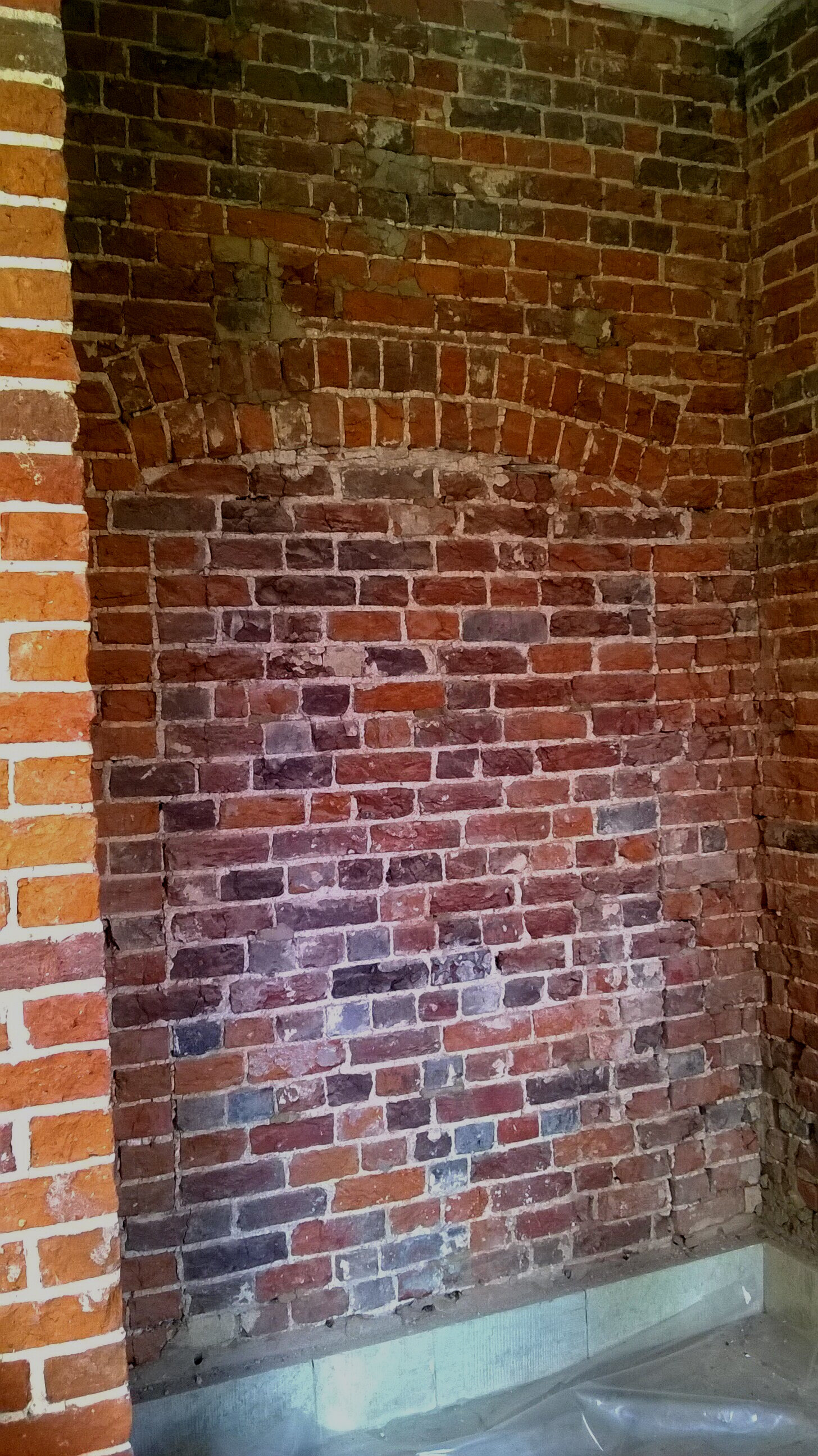
Visible defects do not always reveal the true source of a problem. Damp patches, blistering paint, cracked finishes and decaying timber can each have several possible causes, particularly in historic, listed and traditionally constructed buildings.
Building pathology is the careful investigation of those defects, considering how the building, its materials, previous alterations and surrounding conditions may be contributing to the issue.
This matters because treating the visible symptom without understanding the cause can lead to unnecessary expense and repeated repairs. Moisture near the bottom of a wall, for example, may be linked to defective rainwater goods, high external ground levels, unsuitable modern materials, plumbing leaks, condensation or earlier water damage.
At Bosence Associates, we assess the available evidence before recommending the next step. This may include the construction, repair history, drainage, ventilation and the way moisture is moving through traditional building fabric.
The aim is to provide proportionate advice so that repair decisions are based on the likely cause of the defect rather than a standard treatment.
Related Services…



Our Process
1. Initial Discussion
We discuss the defect, when it was first noticed and any relevant history, including previous repairs or investigations. Photographs and existing information can provide useful context before the inspection.
2. Inspect the Affected Fabric
We inspect the area of concern and consider the surrounding building fabric, construction methods, materials and visible signs that may be contributing to the problem.
3. Assess the Likely Cause
We consider the available evidence and explain the most likely cause, or possible causes, of the defect. We also identify access restrictions, concealed areas or other limitations affecting the assessment.
4. Recommend the Next Steps
We provide practical guidance on what should happen next. This may include maintenance, monitoring, targeted repairs, opening-up work or further specialist investigation.
5. Develop the Repair Approach
Where appropriate, we can help turn the findings into a suitable repair approach, including advice on priorities, materials and further professional input.
Areas We Cover
With offices in Surrey and Devon, we provide building pathology and defect diagnosis for historic, listed and traditional buildings across both counties and throughout the UK. Our advice is particularly valuable where damp, cracking, decay or recurring defects need to be understood before repair work is commissioned.
Surrey Office
Devon Office
Frequently Asked Questions
-
It is often worthwhile where the cause is uncertain or previous repairs have failed. Understanding the likely cause first can reduce the risk of paying for work that treats visible symptoms without resolving the underlying problem.
-
Yes. A focused inspection may be suitable where the concern relates to a particular wall, roof area, crack or source of moisture. If the issue appears to form part of a wider problem, we will explain this and recommend a proportionate next step.
-
The advice reflects the evidence that can be seen and accessed at the time. A clear repair approach can often be recommended, but monitoring, opening-up work or further specialist input may be needed where uncertainty remains.
-
Independent advice can be valuable before committing to treatment, particularly in a traditionally constructed building. Moisture can have several causes, and standard damp treatments may not be suitable for every property.
-
The next step depends on the nature of the defect and whether any uncertainty remains. It may involve maintenance, monitoring, further investigation, a repair specification or support with planning the work.