
Specification Writing in Surrey & Devon

Clear, practical specification writing for historic, listed and traditional buildings, helping repair works be properly understood, priced and carried out.
Specifications for
Historic Building Repairs
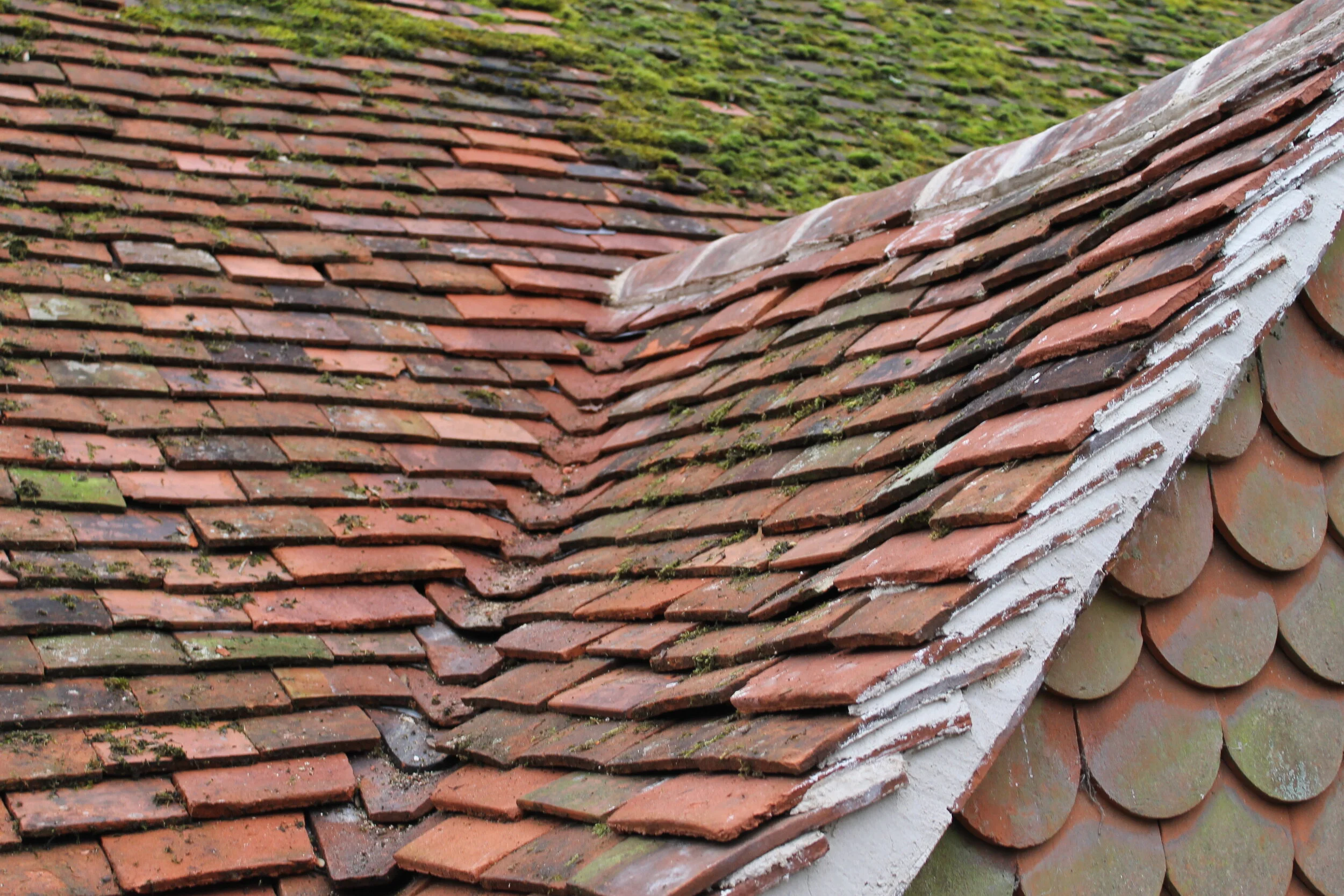
A good specification needs to be clear, concise and accurate. Its purpose is to explain what needs to be done in a way that can be properly understood by the people pricing and carrying out the work.
For historic and listed buildings, this is especially important. Poorly written or overly generic specifications can create ambiguity, lead to errors on site and make it harder for craftspeople to deliver the right repair.
At Bosence Associates, we prefer specifications that are as short and clear as possible. Where required, we use samples and testing to check that the proposed repair is suitable before it is applied more widely to the building.
A well-considered specification can also support the consent process by explaining the proposed materials, methods and extent of work clearly.
Written documents matter, but so do communication and relationships. Our experience as Chartered Construction Managers helps ensure that repair requirements are understood and completed in line with the agreed approach.
Related Services…



Our Process
1. Establish the Repair Requirements
We discuss the building, the defects or repairs involved and the intended outcome. Existing surveys, investigations and consent requirements may also be reviewed to define what the specification needs to cover.
2. Inspect and Assess the Work
Where required, we inspect the relevant building fabric and consider the materials, construction and condition of the area. This helps the proposed work respond to the building rather than rely on a generic repair method.
3. Develop the Repair Detail
We set out what needs to be done, the materials and methods to be used and any important preparation or workmanship requirements. Samples or testing may be recommended where they will help confirm suitability.
4. Prepare a Clear Specification
The specification is written in concise, practical language so that the work can be understood, priced and carried out consistently. The detail reflects the building, the complexity of the repair and the intended use of the document.
5. Support Pricing and Delivery
Where agreed, we can answer questions, clarify repair requirements and provide further support as the work is priced or carried out.
Areas We Cover
With offices in Surrey and Devon, we provide specification writing for historic, listed and traditional buildings across both counties and throughout the UK. Our work is commonly required where repairs need to be clearly defined, appropriately specified and carefully communicated before they are priced, approved or undertaken.
Surrey Office
Devon Office
Frequently Asked Questions
-
A clear specification explains what work is required and how it should be carried out. This reduces ambiguity and helps prevent unsuitable materials, generic repair methods or misunderstandings on site.
-
A sufficiently detailed specification can give contractors a consistent basis for pricing the same work. The information required depends on the size and complexity of the project and whether drawings or other documents are also needed.
-
No. A specification is based on the information and building fabric available when it is prepared. Concealed defects or unexpected site conditions may require the repair approach to be reviewed once work begins.
-
Yes, where appropriate. Samples and testing can help assess the suitability, appearance or performance of a material or repair method before it is used more widely.
-
Yes. A clear specification can explain the proposed materials, methods and extent of work to the relevant authority. The need for consent and the supporting information required will depend on the building and the proposals.